
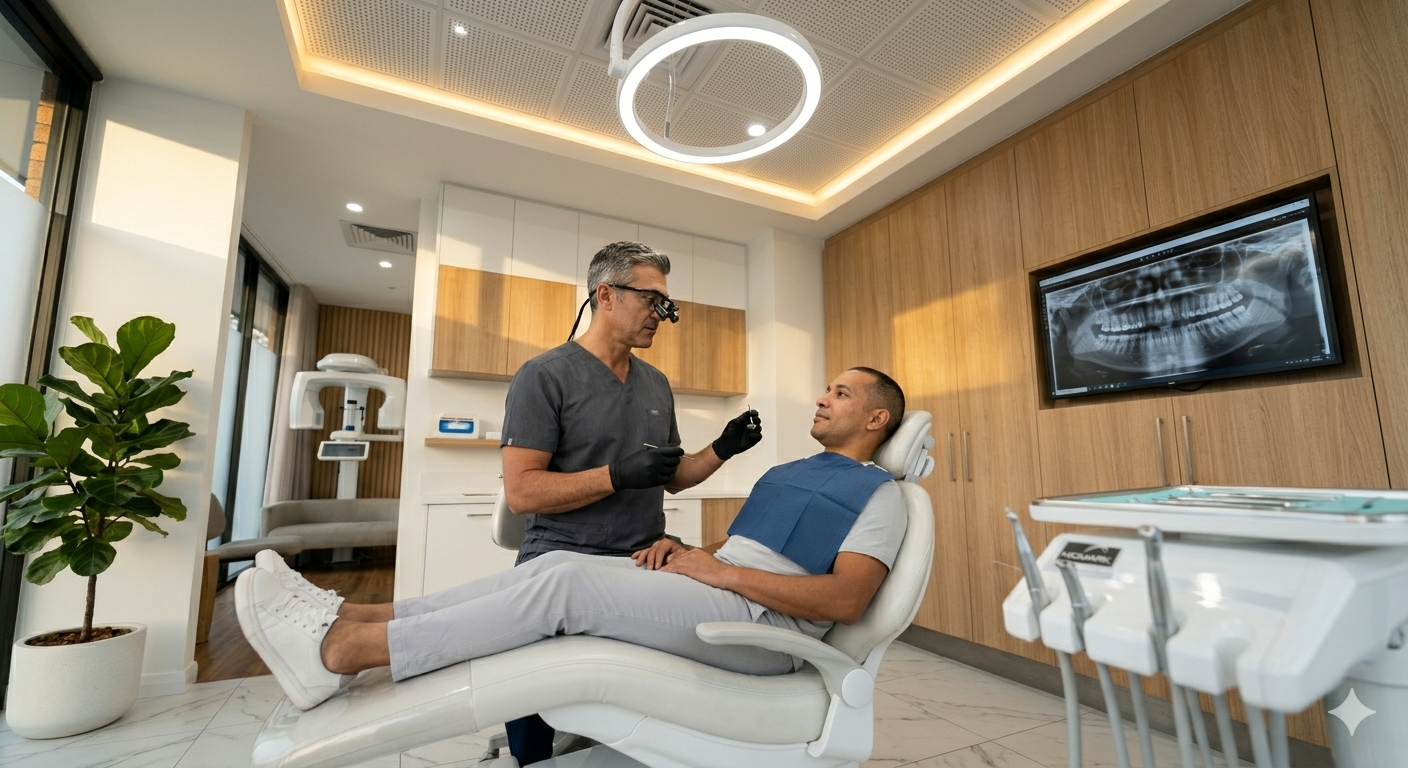
When a dental emergency strikes in Framingham, MA, knowing where to turn can save time, pain, and stress. An emergency dentist in Framingham offers prompt care for sudden toothaches, injuries, or other urgent dental problems, often with same-day appointments to ease discomfort quickly.
These dentists understand that emergencies don’t wait for business hours. They provide compassionate, expert treatment using modern methods to stabilize your condition and prevent further damage.
If a toothache won’t stop or an accident damages teeth, seeking professional help right away is key. Consulting a trusted emergency dentist ensures you get the care needed to protect your smile and overall health.
Understanding Dental Emergencies
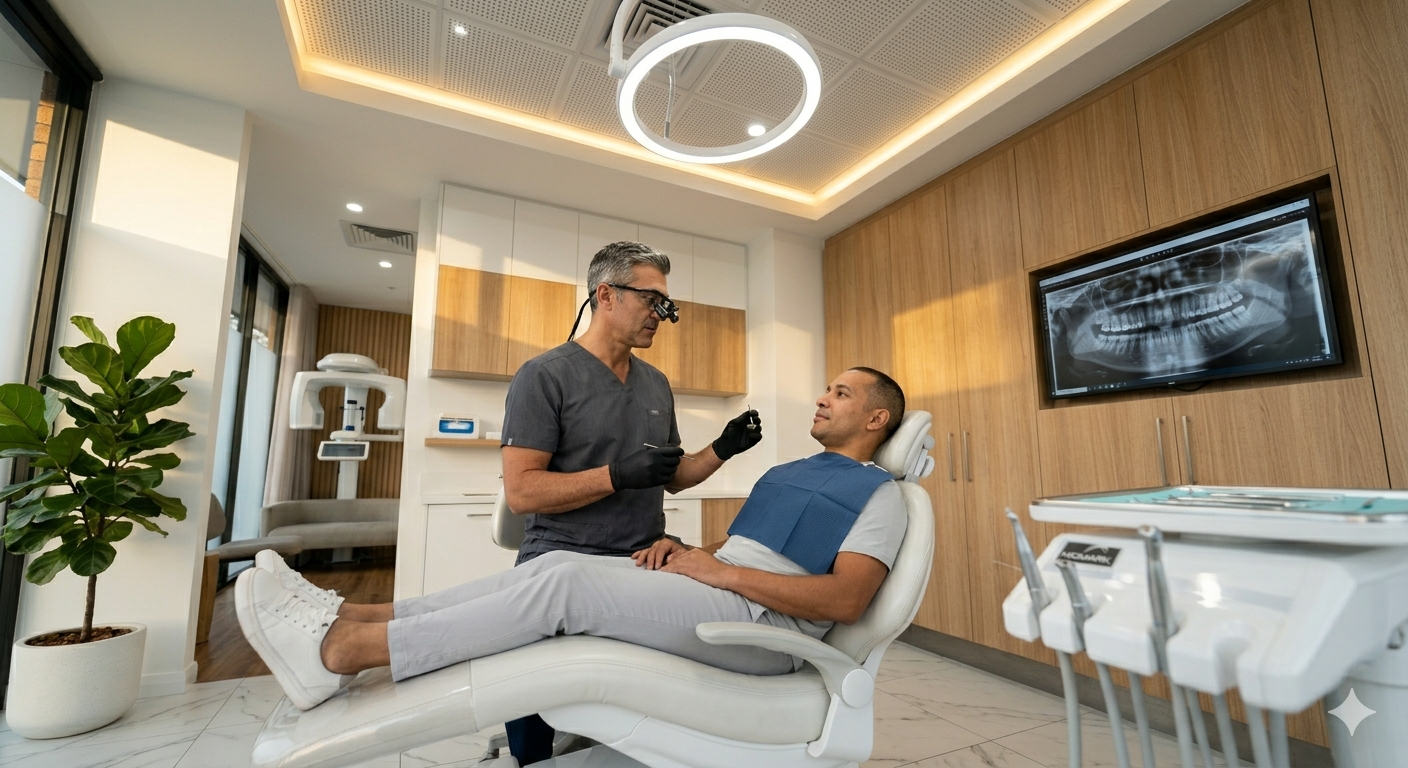
Dental emergencies can happen unexpectedly, causing pain and worry. Knowing what triggers these issues, how to spot serious problems, and when to get professional help can make a big difference in managing the situation calmly and effectively.
Common Causes of Sudden Tooth Pain
Sudden tooth pain often stems from issues like cavities, cracked teeth, or infections. Cavities can worsen quickly, exposing nerves and causing sharp pain. A cracked tooth might hurt when biting or touching it, especially if the fracture reaches the inner layers.
Infections around the tooth, such as abscesses, create swelling and persistent pain. Gum disease flare-ups sometimes cause discomfort too. Teeth grinding or trauma, like a hard hit to the face, also commonly trigger sudden pain. Identifying these causes early helps determine the right treatment and prevents complications.
Signs You Need Urgent Dental Attention
Not all dental pain requires emergency care, but certain signs should never be ignored. Intense, unrelenting pain that worsens over hours needs prompt evaluation. Swelling in the face or gums, especially if it spreads, signals infection that can become serious.
Other urgent signs include bleeding that won’t stop, a loose or knocked-out tooth, or severe jaw pain limiting mouth movement. Fever combined with dental pain suggests spreading infection. If any of these happen, quick action can reduce damage and prevent more complex treatment later.
When to Call an Emergency Dentist
Calling an emergency dentist is essential when pain or injury disrupts daily life, or when risks to health increase. If pain keeps someone awake, or over-the-counter medications don’t help, professional care is needed. Immediate contact is also critical after traumatic injury causing tooth displacement or broken dental work.
Emergency dentists can provide relief, control infection, and fix damage quickly. Many offices in Framingham, MA offer same-day appointments or after-hours care for these situations. Don’t wait when signs of serious problems appear—early intervention protects smiles and overall well-being.
Immediate Steps for Dental Accidents
Knowing what to do right after a dental accident can make a significant difference in preserving teeth and reducing pain. Quick, careful actions focus on saving the tooth, controlling any bleeding, and managing discomfort until professional care is available.
What to Do for a Knocked-Out Tooth
If a tooth is completely knocked out, time is critical. The person should first find the tooth and handle it by the crown (the chewing surface), avoiding touching the root.
Rinse the tooth gently with milk or saline to clean it, but do not scrub. If possible, try to place the tooth back into the socket immediately. If that’s too painful or not possible, store it in a container of milk or saliva to keep it moist.
The individual should visit an emergency dentist within an hour to improve the chances of successful re-implantation.
Managing Broken or Chipped Teeth
For broken or chipped teeth, the first step is to rinse the mouth with warm water to clean the area. Apply a cold compress on the outside of the mouth or cheek if there is swelling.
If a sharp edge is causing discomfort, covering it with dental wax or sugarless gum can protect the tongue and cheek temporarily. Saving any broken pieces might help the dentist restore the tooth.
Pain can be managed with over-the-counter painkillers, but avoid aspirin directly on the gums to prevent irritation.
Handling Severe Toothaches at Home
Severe toothaches often signal infection or injury. Rinsing the mouth with warm salt water helps reduce bacteria and soothe inflamed gums.
Using over-the-counter pain medication offers temporary relief. Avoid placing aspirin directly on the painful tooth or gums, as it can burn tissue. Applying a cold compress outside the cheek can reduce swelling and discomfort.
Avoid very hot, cold, or sweet foods that might worsen sensitivity. Seeking prompt emergency dental care is important to identify the cause and prevent complications.
Modern Emergency Dental Treatments
When dental emergencies occur, timely and effective treatment is essential to ease pain and prevent further damage. Advances in dental care have introduced targeted pain relief options and high-tech tools that improve diagnosis and treatment speed.
Pain Relief Methods Used by Dentists
Dentists use several pain relief methods tailored to the patient’s condition. Over-the-counter medications like ibuprofen often provide initial relief, but in-office treatments may include stronger options.
Local anesthesia is common during procedures to numb the affected area instantly. For severe or prolonged pain, dentists might offer prescription analgesics or sedatives to keep patients comfortable.
Topical gels and rinses can also soothe inflamed gums or minor wounds in the mouth. Dentists focus on minimizing pain quickly so they can address the root cause without unnecessary discomfort.
State-of-the-Art Technology in Emergency Care
Modern emergency dental care relies on advanced tools to diagnose and treat problems faster. Digital X-rays produce clear images within seconds, reducing wait times and radiation exposure.
Intraoral cameras allow dentists to show patients detailed images of the affected area. This makes explanations easier and helps patients understand their treatment plan.
Laser dentistry is another innovation used to remove decay or treat soft tissue injuries gently. It often reduces bleeding and promotes faster healing compared to traditional methods.
These technologies improve precision and patient comfort, making emergency visits more efficient and less stressful.
Finding the Right Dental Office in Framingham
Choosing a dental office for emergencies means focusing on trustworthiness, accessibility, and the ability to provide quick, effective care. The right office combines professional expertise with flexible scheduling to handle urgent dental problems when they arise.
Key Qualities of a Reliable Emergency Dental Provider
A reliable emergency dentist in Framingham should offer prompt response times and clear communication. Patients benefit from a team that explains treatment options thoroughly, helping them feel informed and calm during stressful situations.
Look for offices equipped with modern technology, such as digital X-rays and efficient sterilization processes, which support accurate diagnosis and safe care. Credentials matter, too—check that dentists are licensed, experienced, and possibly offer specialized emergency dentistry training.
Patient comfort is another key quality. A skilled provider prioritizes gentle techniques and pain management to minimize discomfort. Friendly staff who quickly understand urgent needs make a significant difference in the experience.
After-Hours and Weekend Availability
Dental emergencies don’t follow a 9-to-5 schedule. Offices that offer after-hours and weekend appointments provide crucial access when pain or injury strike unexpectedly. This flexibility prevents unnecessary trips to emergency rooms, which often lack dental expertise.
Confirm the office’s hours before an emergency occurs. Some practices maintain extended hours while others have on-call dentists ready to respond. Clear information on appointment procedures and what to expect during an after-hours visit reduces anxiety.
An accessible location and easy contact methods—like online booking or a dedicated emergency phone line—are equally important. These features ensure patients can quickly reach professional help without delays during urgent situations.
What to Expect During Your Visit
An emergency dentist visit in Framingham, MA, is designed to address urgent dental problems with care and efficiency. Patients can expect a calm environment where comfort and clear communication are priorities from the moment they arrive.
Comfort-Focused Care from Start to Finish
From the first greeting to the final check-up, every step aims to reduce anxiety and pain. Patients are often welcomed promptly, with staff assessing the urgency of the situation to prioritize treatment appropriately. Many emergency dental offices use calming techniques such as gentle music or warm blankets.
Local anesthesia or sedation options are explained clearly to ensure patients feel comfortable during procedures like tooth extractions or root canals. Staff frequently check in to confirm that pain relief is effective. Comfort doesn’t end when the procedure is over; personalized aftercare instructions help patients heal smoothly.
Discussing Treatment Options with Your Dentist
When an emergency dentist examines the patient, they focus on identifying the root cause quickly. Once the problem is clear, the dentist reviews available treatment options in straightforward language so the patient can make informed choices.
Options may range from temporary fixes to immediate restorative work. The dentist explains the pros, cons, timeline, and costs associated with each approach. This transparent discussion helps patients understand what to expect and plan follow-up care accordingly. Questions are encouraged at every step to ensure clarity and confidence.
Preventive Tips to Avoid Future Emergencies
Taking simple steps every day can make a big difference in protecting teeth and preventing urgent dental problems. Consistent habits, proper protection during activities, and regular professional care build strong defenses against unexpected pain or damage.
Everyday Habits for Strong Teeth
Healthy teeth start with good daily habits. Brushing twice a day with fluoride toothpaste removes plaque and strengthens enamel. Flossing once daily cleans between teeth where brushes can’t reach, preventing gum disease and decay.
Limiting sugary snacks and acidic drinks reduces the risk of cavities. Drinking water after meals helps wash away food particles and acids. Avoiding habits like nail-biting or chewing on hard objects also protects teeth from chips and fractures.
Mouthguards and Protective Care
Mouthguards are essential for those who play contact sports or grind their teeth at night. Custom-fitted guards cushion blows and reduce injury risk. Over-the-counter options offer less protection and fit.
For grinding or clenching, a nightguard helps prevent enamel wear and cracked teeth. It’s a small investment that can save patients from costly emergency visits. Proper protective gear during activities is a key step toward avoiding sudden dental trauma.
Regular Check-Ups and Cleanings
Routine dental visits catch potential issues before they become emergencies. Professional cleanings remove hardened plaque that brushing misses, reducing decay and gum inflammation.
During exams, dentists look for early signs of cavities, infections, or tooth wear. This early detection means simpler treatments and fewer surprises. Scheduling check-ups every six months ensures ongoing monitoring and peace of mind.
Guidance for Families and Children
Knowing what steps to take when a child faces a dental emergency can ease stress for both parents and kids. Preparing children ahead of time and offering calm support during an incident helps them feel safer and more cooperative.
How to Prepare Kids for Dental Emergencies
Families can start by explaining in simple terms what a dental emergency means, focusing on common situations like knocked-out teeth or severe toothaches. It’s helpful to role-play basic scenarios so children know what to do, such as telling an adult immediately.
Creating a small emergency kit with items like gauze, a cold pack, and a list of emergency contacts makes it easier to act quickly. Parents should also identify the nearest emergency dental clinic in Framingham ahead of time, so they’re not searching during an urgent moment.
Using age-appropriate books or videos to discuss dental health and emergencies can reduce fear and build understanding.
Reassuring Young Patients During Stressful Moments
When a dental emergency occurs, staying calm and speaking in a soothing voice helps children feel more secure. Parents should acknowledge their child’s feelings and explain each step in a gentle, clear way to avoid confusion.
Distraction techniques such as breathing exercises, favorite toys, or quiet storytelling can reduce anxiety. The dentist will also take special care to explain treatments kindly and allow breaks if needed.
Emphasizing that the pain or discomfort will be eased soon reassures children and improves cooperation. This approach helps build trust for future visits and treatment.
Next Steps and Getting Support
When someone experiences a dental emergency in Framingham, MA, the first step is to contact an emergency dentist as soon as possible. Many clinics offer same-day appointments or after-hours care to address urgent issues quickly and reduce discomfort. Prompt treatment can prevent complications and improve recovery outcomes.
Once the initial emergency is handled, follow-up visits are important. These appointments allow the dentist to monitor healing, perform necessary repairs, and discuss preventive measures. Patients should feel comfortable asking questions about pain management, oral hygiene, and lifestyle changes that support dental health.
It’s helpful to have a list of questions ready before visiting the dentist. Examples include:
- What should I expect during recovery?
- Are there any signs I should watch for that require immediate attention?
- What can I do to prevent future emergencies?
Support doesn’t stop at the dental office. Many emergency dentists in Framingham provide guidance on at-home care, including how to manage pain or swelling safely. They may also recommend over-the-counter products or gentle cleaning techniques during recovery.
Families and caregivers play a key role, too. Encouraging open conversations about dental habits and seeking regular checkups can lower the risk of emergencies. If in doubt, reaching out promptly to a trusted dental professional is the best next step.
Frequently Asked Questions
Dental emergencies vary widely, and knowing how to respond can make a big difference in outcomes. Quick action and the right steps improve comfort and the chances of saving teeth.
What counts as a true dental emergency versus something that can wait until tomorrow?
True dental emergencies include severe pain, uncontrolled bleeding, swelling that affects breathing or swallowing, and knocked-out teeth. Minor issues like slight sensitivity or a lost filling can usually wait until the next day.
If I have severe tooth pain at night or on the weekend, what should I do first?
Rinse your mouth gently with warm water and try a cold compress to reduce swelling. Avoid aspirin directly on the gums. Contact an emergency dentist or an after-hours dental service immediately.
Can an emergency room or urgent care actually treat tooth pain, and what can they do for me?
ERs can provide pain relief and antibiotics but often cannot perform dental procedures. They usually recommend follow-up with a dentist for proper treatment.
If I chipped or broke a tooth, what steps should I take right away to protect it?
Save any broken pieces and rinse your mouth with warm water. Apply a cold compress to reduce swelling. Avoid chewing with the broken tooth and see a dentist as quickly as possible.
What should I do if a tooth gets knocked out, and how fast do I need to act?
Find the tooth, handle it by the crown (not the root), and rinse it if dirty. Try to place it back into the socket gently or keep it in milk or saliva. See a dentist within 30 minutes for the best chance of saving it.
If I don’t have a regular dentist or dental insurance, how can I still get urgent dental care?
Many emergency dentists offer payment plans or accept uninsured patients. Local dental schools and community clinics also provide affordable urgent care options. Calling ahead can help locate available services quickly.