
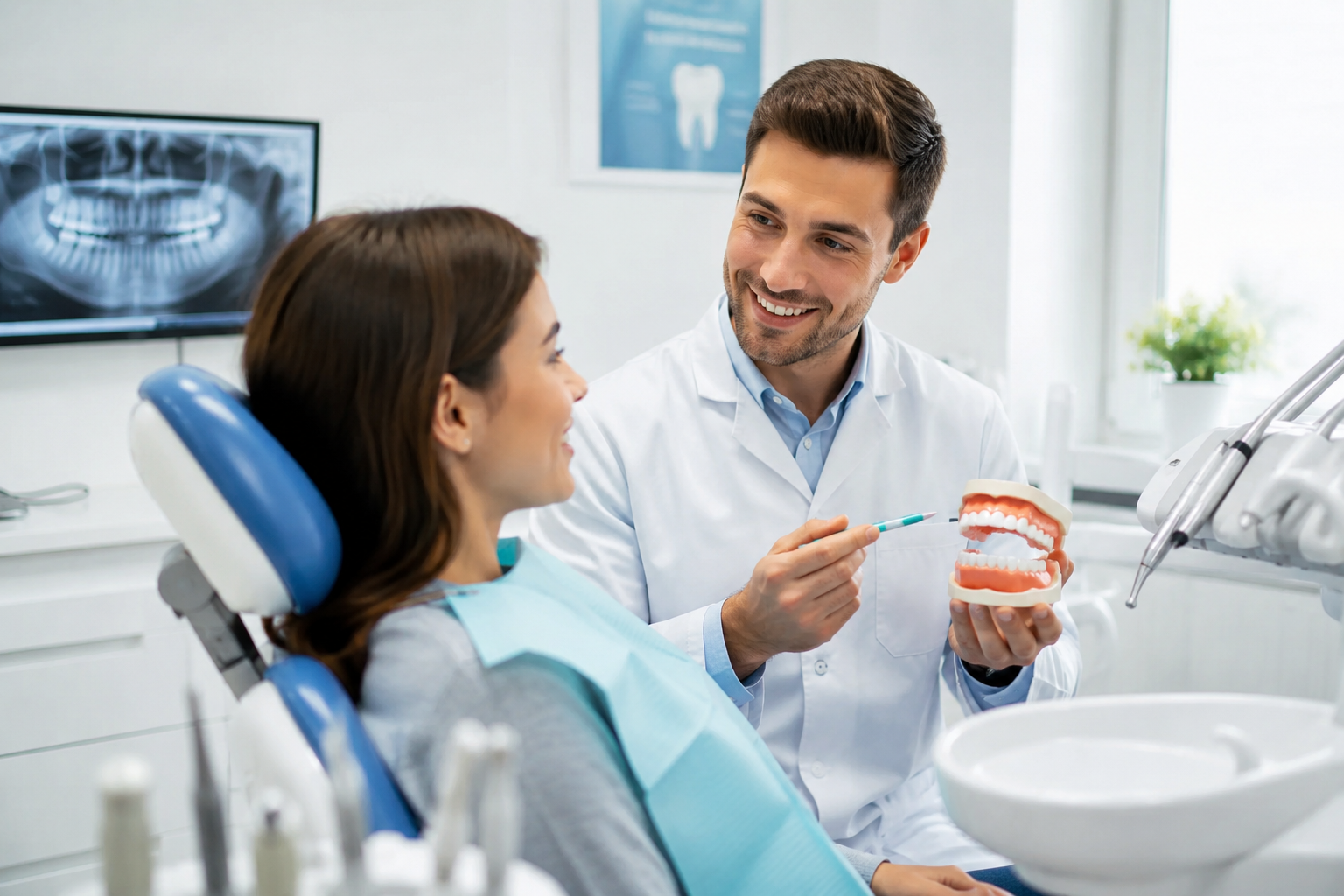
If you need an affordable dental crown in Framingham, this article shows practical options, typical costs, and what to expect at a local clinic. They can find cost-effective crown materials, payment plans, and nearby practices that balance quality and price.
The piece explains how modern crowns work, why some options cost less, and how to choose a practice that prioritizes comfort and long-term results. It also guides them through the placement experience, upkeep tips, and common questions so they can make an informed decision and schedule a consultation with confidence.
Understanding Dental Crowns
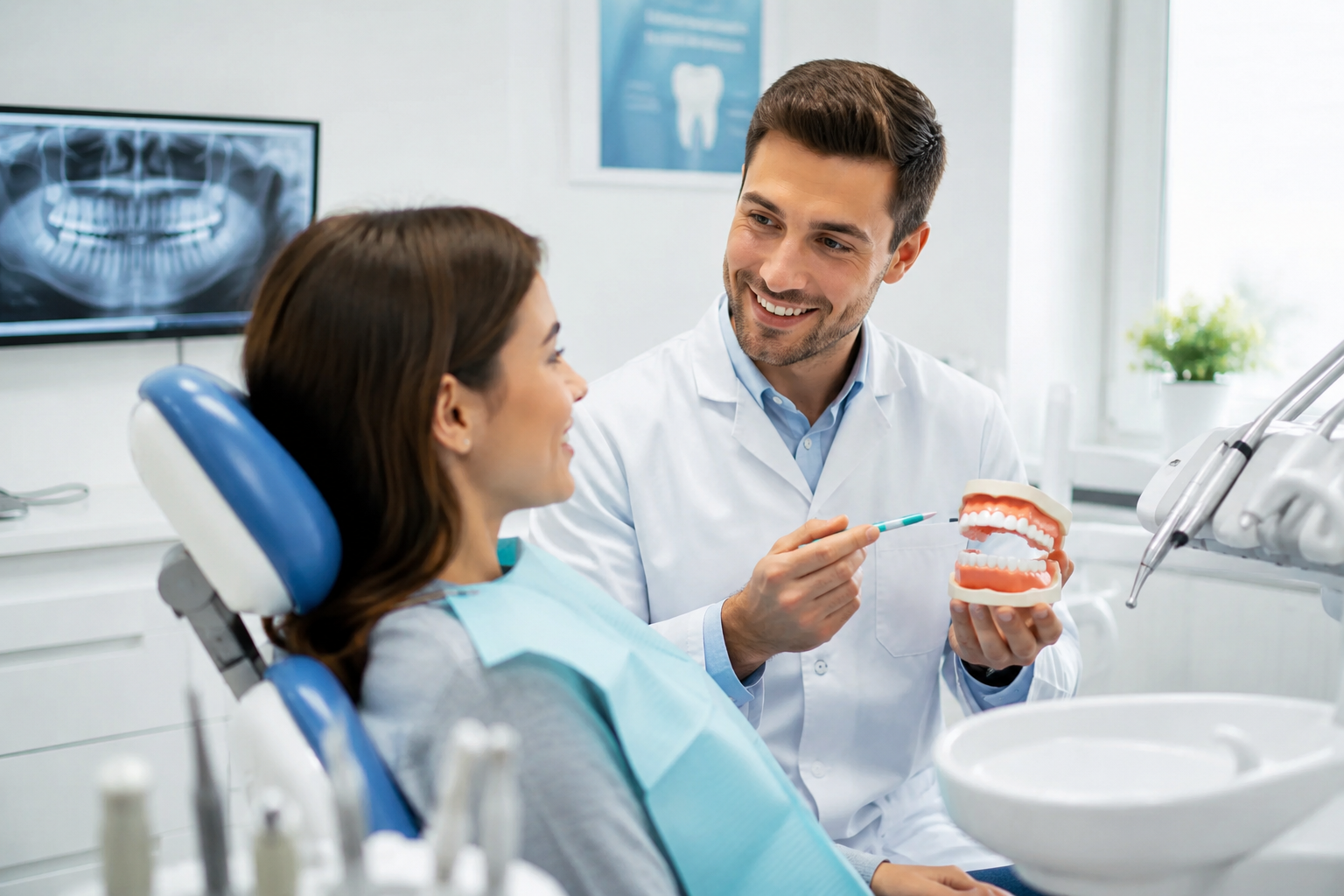
Dental crowns restore tooth function, protect weakened teeth, and improve appearance. They come in several materials and are used for decay, fractures, wear, or after root canal therapy.
What Dental Crowns Do
A dental crown covers the visible part of a tooth to restore shape, size, strength, and appearance. It prevents further damage by reinforcing the remaining tooth structure, which reduces the risk of fractures during chewing.
Crowns also restore proper bite alignment and chewing efficiency when a tooth is worn, cracked, or missing a large filling. For teeth after root canal therapy, crowns provide necessary protection because treated teeth become more brittle over time.
Cosmetic crowns can match nearby teeth in color and contour, improving smiles by closing gaps or disguising stains and misshapen teeth. Dentists balance durability and esthetics when recommending crown materials for each situation.
Types of Dental Crowns
Common crown materials include porcelain-fused-to-metal (PFM), all-ceramic/porcelain, zirconia, and gold or metal alloys. Each option offers a tradeoff between strength, esthetics, and cost.
- Porcelain-fused-to-metal: strong with good esthetics, but may show a dark line near the gum over time.
- All-ceramic/porcelain: most natural-looking, ideal for front teeth; slightly less fracture-resistant in high-stress areas.
- Zirconia: very strong and increasingly esthetic; suitable for back teeth and implant crowns.
- Gold/metal alloys: extremely durable and gentle on opposing teeth; less common for visible front teeth.
Dentists often recommend materials based on tooth location, bite forces, allergy history, and budget. Many practices offer digital impressions and lab options that affect both fit and cost.
When Crowns Are Needed
Dentists recommend crowns when a tooth has extensive decay or a large filling that weakens structure. Crowns protect teeth after root canal therapy, when a fracture risks splitting the tooth, or when a tooth is badly worn from grinding.
Crowns also replace missing teeth as part of a dental implant restoration or to anchor a dental bridge. Cosmetic reasons—severe discoloration, irregular shape, or gaps—can justify a crown when less invasive options won’t achieve desired results.
A dentist assesses X-rays, tooth structure, gum health, and bite relationships before recommending a crown. They discuss alternatives like onlays, veneers, or extraction with implant placement depending on long-term prognosis and the patient’s budget.
Benefits of Modern Crowns
Modern crowns restore function and appearance while minimizing discomfort and time in the dental chair. They use improved materials and digital techniques to match color, shape, and bite more precisely.
Improved Comfort and Natural Appearance
Contemporary crowns use porcelain, zirconia, or layered ceramic that mimic enamel translucency and shade. This lets the crown blend with adjacent teeth so it doesn’t look artificial when smiling or speaking.
Digital impressions replace bulky molds for many patients, reducing gagging and improving fit accuracy. A precisely fitted crown reduces pressure points and irritation to the gumline, which cuts down on sore spots and the need for adjustments.
Dentists can adjust occlusion digitally before fabrication, lowering the chance of a high bite that causes jaw pain. For front teeth, dentists match translucency and surface texture; for back teeth, they prioritize strength while keeping a toothlike appearance.
Lasting Strength and Durability
Zirconia and high-strength ceramics resist fracture and wear considerably better than older metal or resin crowns. Properly placed ceramic or zirconia crowns commonly last 10–15 years or longer with good oral hygiene.
Cementation techniques and adhesive materials improve retention and reduce microleakage that leads to recurrent decay. Patients who brush twice daily, floss, and attend six-month checkups typically extend crown life and avoid early replacement.
When a tooth requires a core build-up or post, modern materials bond well to both tooth structure and crown, creating a unified restoration that withstands chewing forces. Regular maintenance, prompt care for grinding or clenching, and night guards when indicated further protect the restoration.
Affordable Solutions in Framingham
Patients can expect clear pricing differences based on material, laboratory use, and appointment complexity, plus several local options to spread cost over time. Framingham clinics often combine lower-cost materials, in-house milling, and payment plans to keep crowns within reach.
Factors That Affect Cost
Location within Framingham matters: downtown practices with higher overhead often charge more than neighborhood clinics near West Framingham or Saxonville. Dentist experience and specialist involvement also change price; a prosthodontist or implant specialist typically charges more than a general dentist for complex work.
Lab fees vary widely. Crowns made by local dental labs using hand-finished porcelain cost more than same-day crowns milled in-office from zirconia blocks. Additional procedures raise the bill: root canals, core buildups, or extractions add specific line items rather than being bundled.
Type of restoration affects longevity and warranty. Providers may include limited warranties for crowns placed after 2019 or offer reduced rates for lab-remakes. Ask for an itemized estimate showing lab, material, anesthesia, and follow-up visits to compare quotes accurately.
Budget-Friendly Materials
Porcelain-fused-to-metal (PFM) crowns remain a cost-effective choice for posterior teeth where aesthetics matter less. They balance durability and lower lab cost compared with layered all-ceramic crowns.
Monolithic zirconia crowns offer strength and can be milled same-day, reducing lab fees and chair time. While esthetics are improving, translucency still lags behind layered porcelain, making zirconia ideal for back teeth or patients prioritizing durability.
Metal alloys such as gold or high-noble alloys cost more per ounce but require less tooth reduction and can last decades; they remain a sensible option for molars when budget allows. Discuss trade-offs—appearance, lifespan, and insurance coverage—with the dentist to choose the best material for the tooth’s function and the patient’s finances.
Flexible Payment Options
Many Framingham practices offer monthly payment plans through third-party financing like CareCredit or LendingClub, typically covering 3–24 months with promotional interest rates. Patients should compare interest, fees, and approval requirements before signing.
Dental offices often provide in-house financing or sliding-scale fees for qualifying patients, especially in community clinics near Framingham State University. Some practices discount full-payment upfront or provide reduced rates during promotional periods.
Insurance coverage varies; typical PPO plans cover 40–80% of crown lab and material fees after the deductible for crowns placed after the plan’s waiting period. Clinics can submit pre-treatment estimates to insurers and provide cost breakdowns to maximize benefits and minimize out-of-pocket expenses.
Choosing the Right Dental Practice
Look for a practice that combines technical skill with attentive, personalized care. Prioritize clear pricing, modern materials, and staff who explain options in plain language.
Experience and Expertise
Patients should check a dentist’s specific crown experience, not just general dentistry years. Verify whether the dentist regularly places ceramic, zirconia, and porcelain-fused-to-metal crowns, and ask how many crown cases they complete monthly. That indicates familiarity with shade matching, margin fit, and occlusion adjustment.
Confirm advanced training: continuing-education courses in restorative dentistry, membership in professional organizations, or a fellowship in prosthodontics demonstrates focused expertise. Request to see before-and-after photos of similar crown cases and ask about lab partnerships; a high-quality dental lab affects crown fit and aesthetics.
Inquire about in-office technology like digital impressions and CEREC same-day milling. These reduce temporaries and improve crown fit. Also ask about warranties or follow-up policies on crowns to understand long-term support.
Patient-Centered Care Approach
A patient-centered practice prioritizes comfort, transparent pricing, and shared decision-making. Staff should explain crown material options, expected lifespan, and cost differences in plain terms, and provide written estimates that break out lab, material, and restoration fees.
Look for practices with sedation options or anxiety-friendly protocols if dental fear exists. Check scheduling flexibility and emergency access; a reliable practice will offer prompt adjustments if a crown chips or causes pain. Patient reviews should highlight communication, chairside manner, and post-op care responsiveness.
Assess how the team handles preventive education: they should discuss bite guards, hygiene routines, and follow-up intervals tailored to the patient’s wear patterns. Clear aftercare instructions and easy access to maintenance visits reflect a practice focused on durable, comfortable results.
The Crown Placement Experience
This section explains the typical sequence of steps, clinical work, and what patients usually feel during crown treatment. It focuses on timing, materials, anesthesia, and common aftercare so readers know what to expect.
Step-by-Step Overview
Examination and treatment planning.
- The dentist reviews X-rays and checks bite alignment.
- They decide between porcelain-fused-to-metal, all-ceramic, or zirconia crowns based on tooth location and esthetic needs.
Tooth preparation.
- The clinician numbs the area with local anesthesia and removes decay or old filling material.
- The tooth is shaped to create space for the crown, usually reducing tooth structure by about 1–2 mm.
Impression or digital scan.
- A digital intraoral scan or traditional impression captures tooth geometry.
- The scan goes to the lab or an in-office milling unit to fabricate the crown.
Temporary crown placement.
- A temporary crown protects the prepared tooth while the final crown is made, typically for 1–2 weeks.
- Temporaries are cemented with a removable material to allow easy replacement.
Final crown cementation.
- After trial fitting, the dentist adjusts fit and color, then permanently cements the crown.
- Occlusion (bite) is checked and refined to prevent soreness.
What to Expect During Appointments
Appointment lengths vary: the first visit usually lasts 60–90 minutes for prep and impressions, and the follow-up is 30–45 minutes for placement. Same-day crowns with CAD/CAM can reduce visits to one session lasting about 90–120 minutes.
Patients feel numbness during preparation; mild pressure or vibration from the drill is common but no sharp pain. Sensitivity to hot/cold may occur for a few days after cementation; over-the-counter analgesics and avoiding hard chewing helps.
The dentist explains material trade-offs: zirconia offers strength for molars, all-ceramic gives superior front-tooth esthetics. Patients receive written care instructions: avoid sticky foods for 24 hours, maintain flossing (slide floss gently under the crown margin), and schedule a checkup in 6–12 months.
Maintaining Your New Crown
Regular care keeps the crown functioning and looking natural. Small daily habits, occasional professional checks, and quick attention to changes prevent most problems.
Simple At-Home Care Tips
Brush twice daily with a soft-bristle brush and a fluoride toothpaste, paying extra attention where the crown meets the gumline to remove plaque buildup. Use gentle, short strokes rather than aggressive scrubbing to avoid irritating the gum around the crown.
Floss once daily using a floss threader or interdental pick to get beneath the contact point; slide the floss down alongside the crown and curve it into a C-shape against the adjacent tooth. An antiseptic mouthwash once a day can reduce bacteria without damaging most crown materials.
Avoid chewing ice, hard candy, or non-food items; these can chip porcelain and stress fused crowns. If the patient grinds or clenches teeth, a nightguard custom-made by the dentist can protect the crown from fracture and wear.
How to Avoid Common Problems
Watch for sensitivity to hot or cold, looseness, or a rough feeling — these often signal issues that need prompt attention. If the patient notices persistent pain or swelling, call the dental office within a few days rather than waiting weeks.
Address decay at the crown margin by maintaining fluoride exposure and routine exams; early decay can undermine the tooth under the crown. If a crown becomes loose, avoid attempting home repairs with glue and bring the patient in the same week to prevent displacement and further damage.
Schedule dental checkups every six months for professional cleaning and crown assessment; the dentist will check margins, bite alignment, and material wear. They can replace worn crowns or adjust occlusion to keep chewing comfortable and prevent future fractures.
Making Informed Decisions
Choosing the right crown and provider affects cost, longevity, and comfort. Patients should weigh material options, total out‑of‑pocket cost, provider experience, and timelines before committing.
Questions to Ask Your Dentist
Patients should start by asking about crown material and why one is recommended. Ask: “Is this porcelain-fused-to-metal, zirconia, or all-ceramic, and how does that affect strength, appearance, and cost?”
Request specifics on the expected lifespan: “How many years should this crown last with normal care?” Follow up about warranty or guarantees and what they cover.
Clarify the full cost breakdown. Ask for itemized estimates for prep, the crown, lab fees, temporary crowns, and follow-up visits. Confirm which codes the office submits to insurance and typical patient responsibility after benefits.
Inquire about the clinical process and timeline. Ask whether they use same-day CAD/CAM milling or require a lab, how many visits, and whether sedation or advanced imaging (CBCT, intraoral scans) is needed.
Finally, ask about provider experience and outcomes. Request before/after photos of similar cases, complication rates, and how they handle adjustments or remakes.
Finding Your Best Next Step
Compare at least two clinics in Framingham by scheduling consults or phone estimates. Bring the same questions to each visit so patients can compare materials, timelines, and itemized costs directly.
Use insurance and financing details to rank options. If a clinic accepts the patient’s plan, ask about in-network benefits, preauthorization, and any waiting periods. For out-of-pocket cases, request available payment plans or CareCredit-like options.
Evaluate repair and emergency care policies. Find out response time for a cracked or dislodged crown and whether same-day fixes are possible. Knowing aftercare instructions and local emergency availability reduces stress.
If still unsure, seek a brief second opinion or ask for a digital simulation of the expected result. Visuals and a clear written estimate empower patients to choose a durable, affordable crown that meets aesthetic and functional needs.
Frequently Asked Questions
This section answers common cost, material, and medical questions about dental crowns in Framingham, MA. It clarifies typical prices, what affects them, affordable material choices, reasons a crown might cost about $2,000, available financing, and special considerations for patients with autoimmune conditions.
How much does a dental crown typically cost if you’re paying out of pocket?
Out-of-pocket crown costs in Framingham typically range from $800 to $2,500 per tooth depending on the material and laboratory used. Porcelain-fused-to-metal and gold crowns sit toward the higher end; basic zirconia and full-porcelain crowns often fall in the middle range.
Emergency or same-day services can add fees, and additional procedures such as root canals, core buildups, or extractions increase the total bill. Cosmetic customization and high-end labs also push prices upward.
What factors make the price of a crown go up or down?
Material choice—porcelain, zirconia, gold, or porcelain-fused-to-metal—strongly affects price. Lab quality, whether the crown is made in-office with CAD/CAM or sent to an external lab, and technician expertise influence cost too.
Preparatory work like root canals, posts, or gum treatment raises the total expense. Location-based overhead, dentist experience, and whether sedation is used also change the final price.
What are the most budget-friendly types of crowns, and how do they compare in durability?
Base-metal or stainless-steel crowns are the most affordable but are usually reserved for temporary or pediatric use. Porcelain-fused-to-metal (PFM) and monolithic zirconia offer a balance of cost, strength, and appearance for adults.
Full-porcelain crowns look the most natural but can be slightly less durable on back teeth than zirconia; zirconia is very durable and increasingly cost-competitive. Lifespan varies: expect 5–15 years for many crowns, with proper care extending longevity.
Is it normal for a single crown to cost around $2,000, and what might be included in that fee?
Yes, a $2,000 price for a single crown can be normal in Framingham for premium materials or complex cases. That fee may include the crown itself, impressions or digital scans, lab fabrication, and the dentist’s time for preparation and cementation.
Additional charges often cover required procedures like root canal therapy, post/core placement, temporary crowns, anesthesia, and follow-up visits. High-end cosmetic shading, multiple tries for fit, or surgical bone/gum work will add to the cost.
Are payment plans or financing options available to help make a crown fit your budget?
Many dental practices in Framingham offer in-house payment plans allowing patients to split costs over several months. Third-party healthcare credit companies and no-interest promotional financing are also commonly available.
Insurance may cover part of the cost; patients should check annual maximums and crown-specific coverage. Dentists’ offices typically provide cost estimates and can help compare financing options during the consultation.
If you have an autoimmune condition like lupus, what should you discuss with your dentist before getting a crown or implant?
Patients with lupus should tell their dentist about current medications, especially immunosuppressants or blood-thinning drugs. They should also discuss recent disease activity, infection risk, and any history of delayed healing.
The dentist may consult the patient’s rheumatologist, adjust treatment timing, or take extra infection-control precautions. Preoperative planning may include blood tests, antibiotic prophylaxis, or modified surgical approaches to reduce complications.